


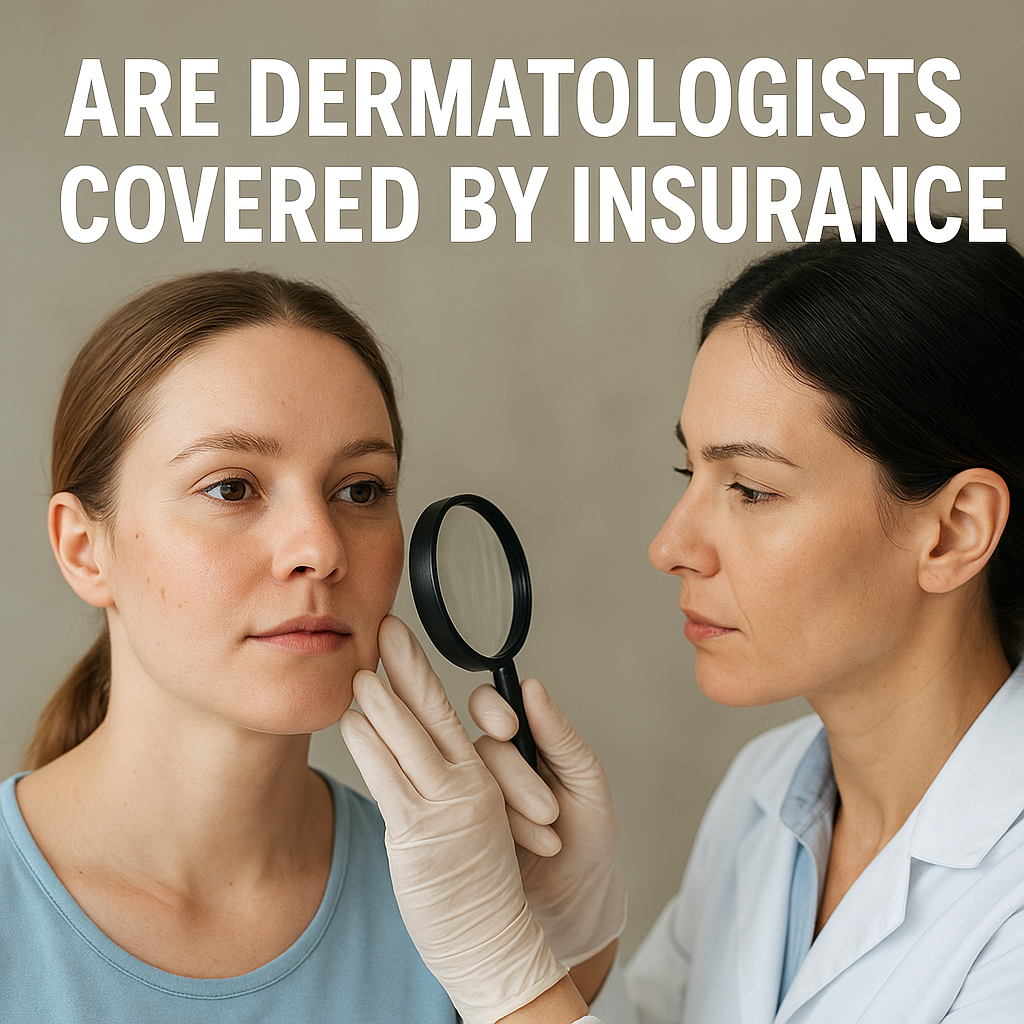
The first professional that comes to mind considering skin health is a dermatologist. Dermatosis is a specialist that focuses on skin, hair, and nail disorders. They manage the whole spectrum, including acne, eczema, skin cancer, and cosmetic issues. An insurance policy is the first thing that comes to mind when people talk about visiting a dermatologist. Like most questions in the world of insurance, the answer is complicated. It depends on the reason for the visit, the insurance policy, and if the dermatologist is in the covered network.
This article outlines uses of insurance in dermatology, when a dermatologist is covered, when a visit to a dermatologist is excluded, and how to optimize insurance advantages.
Understanding Dermatology Care
This type of medicine considers the skin, hair, and nails as the main focus of its attention. Since the skin is the largest organ of the body, dermatology is of vital importance to the holistic welfare of the patient. Many patients seek the attention of a dermatologist for a number of reasons.
- Treatment of acne
- Management of psoriasis and eczema
- Treatment of suspicious moles or skin cancer screening
- Management of rashes or skin allergies
- Treatment of hair loss
- Cosmetic procedures such as Botox and filler injections
Dermatology-defining practices span the whole scope of medicine as well as cosmetic practices. Medical and cosmetic procedures are also differently categorized by insurance plans.
What is covered by insurance in dermatology?
Dermatology falls under the category of specialties whose practice is limited to covered services which are vital for treatment and maintenance of optimal health. However, a number of insurance plans do not determine the requisite treatment for dermatology on its own as elective procedures.
For instance, visiting a dermatologist for the treatment and management of painful acne that leads to significant scarring is usually covered under most insurance plans for dermatology. However, insurance plans have poor coverage for patients whose main aim is to visit the dermatologist for management of wrinkles.
The coverage you have might depend on your plan provider network. If the dermatologist is “in-network”, your out of pocket expenses will be lower. If the dermatologist is considered “out-of-network”, you might have to pay a higher fee, or the entire fee yourself.
When Visiting the Dermatologist is Covered by Insurance
The most typical cases are those where the patient is referred to the dermatologist for some form of medical issue. Some of the most common examples include:
Skin Cancer Screenings and Treatment
Most physicians will cover the check-up and the subsequent biopsy for any suspicious moles. In particular, almost any form of skin cancer treatment, such as cryotherapy or surgically removing the cancer, is considered to be medically necessary and is, therefore, generally covered by most medical insurance plans.
Acne Treatment
Acne is more than just a condition that a person suffers from. Painful and severe acne can result to scarring, emotional distress, and skin infections. This is the reason most insurance providers pay for dermatological treatment and prescribed medications, be it ointments or pills.
Eczema and Psoriasis
They are categorized as chronic skin conditions and therefore medically need to be treated. Insurance is more that happy to cover the visits and treatments that are deemed necessary.
Rashes and Allergies
All insurance plans provide access to a dermatologist to determine the cause of a skin rash, hives, and other skin reactions. In most cases, the visit necessitates tests, medication, and other interventions.
Infections
Dermatology specialists receive insurance compensation when treating ringworms, shingles, and other skin diseases. Treatment is needed in the presence of bacterial, fungal, and viral infections of the skin.
Hair and Nail Disorders
Some problematic nails and types of hair loss can be more than just cosmetic. Alopecia areata is just one example of an autoimmune disorder, and complications such as fungal nail infections are possible.
When Dermatologists are Not Covered by Insurance
Treatments of a cosmetic nature are usually not covered by insurance. Cosmetic dermatology aims to improve the patient’s aesthetics rather than addressing their medical issues. Common examples include:
- Cosmetic mole or skin tag removal
- Hair removal via laser treatment
- Tattoo removal
- Hyper-dilated skin polish and acid peel
- Wrinkle alleviation using botulinum toxin
- Skin rejuvenation via the use of dermal fillers
While cosmetic dermatology is a specific field of dermatology, the services are considered optional by insurance companies. This means that all the expenses incurred are fully the patient’s responsibility.
How To Check Whether Or Not Your Dermatologist Is Covered By Your Insurance
Being able to confirm coverage prior to your appointment is critical. The following steps can help clarify coverage.
- Check your policy to see if there is coverage for visits to a dermatologist.
- Determine if a referral to a dermatologist from your primary care doctor is mandatory.
- Verify that the dermatologist you plan to see is part of your insurance network.
- Determine if the specific treatment you need is covered by your plan.
These guidelines give you an essential understanding of what services are covered.
The Role Referrals Play In Covering Dermatology Visits
Some plans of insurance do require a primary care doctor to provide a referral before a patient can see a dermatologist. This is most common with HMO plans. The purpose of the referral system is to help ensure that patients are referred to the most appropriate providers for their care.
In the event that your plan includes a referral, and you see a dermatologist without one, the visit may not be reimbursed by your insurance. Check with your insurer concerning their rules on referrals.
Cost of Dermatologist Visit Without Insurance
Dermatologist consultation without insurance varies. The range of prices may go from $100 to $300. Subsequent tests, procedures, and biopsies raise the costs significantly.
In the case of out-of-pocket payments, some dermatologists provide self-pay discounts for certain procedures. Payment alternatives can also be requested and worked out for those who are lacking insurance.
Dermatologists and Prescription Medications
Doctors of dermatology often prescribe medications for treating skin diseases. The various prescriptions provided are mostly covered by the insurance policies like acne, eczema, and certain skin infections. The more recent and branded medications, though, may not be covered at all or may need prior approvals.
Dermatologists understand the issue of uncovered prescriptions and are capable of providing other options or even samples. Patients can also approach the insurance company to inquire about the various generics available at lower costs.
Utilization Of Benefits Provided By Dermatology Insurance
- Always select a dermatologist that is a part of the network.
- Obtain a referral if the plan indicates that one is necessary.
- Ask about authorizations done prior to certain procedures, as well as prior authorizations for some prescriptions.
- Clarify which conditions are classified as medical and which are cosmetic.
- Maintain organized documents of visits, prescriptions, and other treatments.
Following these procedures allows for maximum care to be administered without incurring excessive unexpected charges.
Push Factors For Dermatology Services
More people are now aware of the need to pay attention to the skin and this has made dermatology services to be on the rise. A larger number of people are now booking for skin examinations, and this is done for the purpose of early skin cancer detection. At the same time, as more people wish to look good, the field of cosmetic dermatology is booming.
Primary care dermatology is often easier to get as a result of insurance coverages. Cosmetic procedures are usually paid out of pocket, however, the medical visits are a necessity and are often reimbursed from the insurance plan.
Conclusion
Most people forget that dermatologists deal with conditions such as acne and eczema and serious conditions for example skin cancer. And most forget that they too are part of the healthcare system. It is worth noting that whether or not a visit to the dermatologist will be covered by insurance depends on the reasons for the visit, the plan of insurance, and whether or not the dermatologist is part of the network.
The treatments for medical condition such as screenings for skin cancer, treating acne, rashes, and even infections are generally reimbursed. Cosmetic treatments like Botox and laser hair removal are not. Patients ought to check their plan parameters to avoid unexpected costs, confirming network participation, and inquiring about referrals or authorizations.
These actions allows you to obtain the necessary medical attention while maximizing benefits from your medical plan.
If you are curious about other types of medical care, you can also learn more about does insurance cover physical therapy to understand how coverage works for rehabilitation services.
For cosmetic treatments outside dermatology, many people ask does insurance cover teeth whitening, since dental insurance usually treats whitening as an elective service.
FAQs About Dermatologists Covered by Insurance
Are all dermatologist visits covered by insurance?
No, only visits relating to a medical condition are typically reimbursed. Cosmetic treatments are excluded.
Do I need a referral to see a dermatologist?
Certain insurance policies mandate a referral to a primary care physician first, particularly HMO plans. Others provide open access.
Is acne treatment covered by insurance?
Yes, acne is a medical condition and in many cases which can cause scarring and discomfort, are covered.
Does insurance cover skin cancer screenings?
Yes, in most cases, the skin cancer check and the treatment are taken care of because the procedures are deemed necessary.
What if my dermatologist is out of network?
In such a case, you are bound to pay the higher costs or the full bill, depending on your specific insurance plan.
